


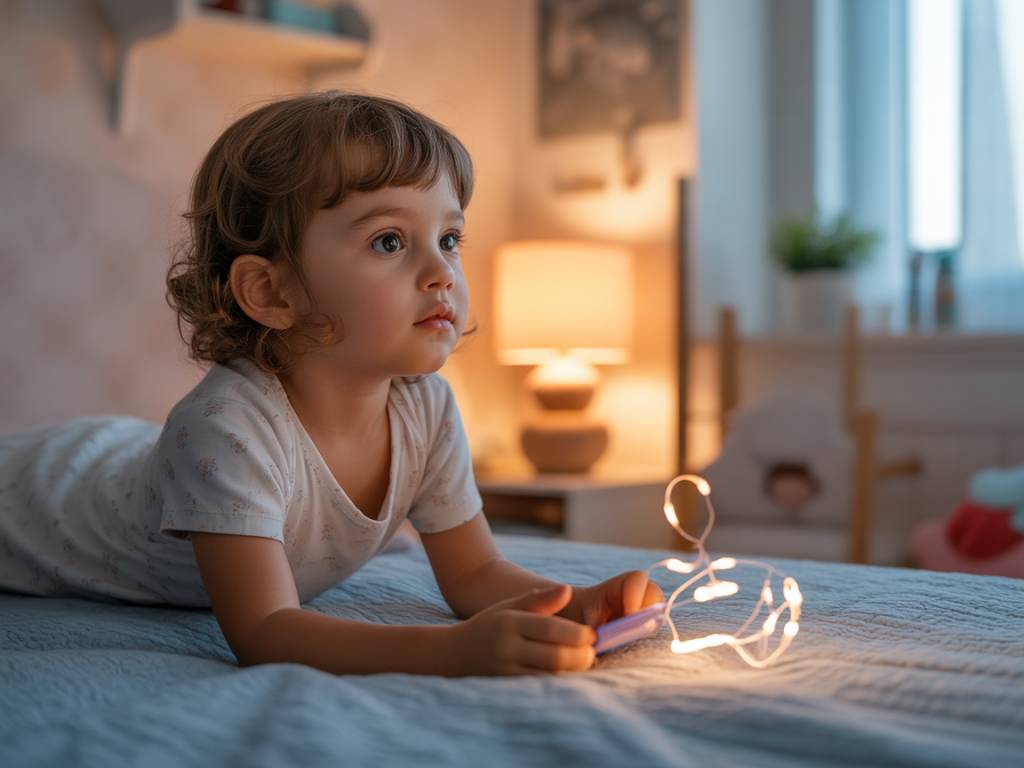
Why a Calming Bedtime Routine Matters for Your Toddler’s Independent Sleep
Establishing a calming bedtime routine is one of the most effective ways to support independent sleep in toddlers. A predictable sequence of soothing activities tells your child’s brain and body that sleep is coming soon. Over time, this predictability reduces bedtime battles, nighttime wakings and resistance to going to bed alone.
For many families, the goal is “sleep autonomy” or “independent sleep,” where a toddler can fall asleep and resettle during the night without constant parental intervention. This does not mean leaving a child to cry for long periods, nor does it mean ignoring emotional needs. Instead, it involves guiding your toddler gently toward self-soothing skills, within a nurturing and responsive framework.
In this article, we explore how to create a peaceful bedtime routine, which sleep environment supports better rest and which strategies encourage toddlers to fall asleep by themselves in a developmentally respectful way.
Understanding Toddler Sleep Needs and Development
Before designing a bedtime routine, it helps to understand how toddler sleep works. Between ages 1 and 3, children are undergoing rapid brain development, emotional growth and increasing independence. These changes can temporarily disrupt sleep, even in previously “good sleepers.”
On average, toddlers need between 11 and 14 hours of sleep in a 24-hour period, including naps. Some will need slightly more, others slightly less. When toddlers are overtired or under-tired at bedtime, they often struggle to fall asleep independently and may wake more often at night.
Developmental milestones such as walking, talking, toilet learning and separation awareness can also heighten bedtime anxiety. Many toddlers suddenly realize that they can protest, negotiate or simply refuse sleep. A calm, consistent routine becomes a reassuring anchor in this stage of growing autonomy.
Key Principles of a Soothing Toddler Bedtime Routine
There is no single “perfect” bedtime routine for every family. The most effective routines are realistic, consistent and aligned with your child’s temperament. However, some core principles apply widely.
To support a calming bedtime routine for independent sleep, consider these foundations:
- Consistency: Aim to start the routine at roughly the same time each evening.
- Predictability: Keep the sequence of steps the same so your toddler knows what comes next.
- Calm activities: Focus on low-stimulation, soothing activities that promote relaxation.
- Connection: Build in moments of genuine emotional connection and comfort.
- Boundaries: Set clear, gentle limits around extra requests, screens and toys.
These principles signal safety and security, which in turn help your toddler feel confident enough to fall asleep on their own.
Designing a Step-by-Step Bedtime Routine for Independent Sleep
A structured bedtime routine does not need to be complex. In fact, simpler is often better. Think 20 to 40 minutes from start to lights out, depending on your toddler’s age and needs.
Many families find the following sequence effective for encouraging self-soothing and independent sleep:
- Wind-down period: About 30 to 60 minutes before bedtime, dim the lights and transition to quieter play. Put away noisy toys, turn off screens and avoid big physical activities or roughhousing.
- Bath time (optional): A warm bath can be soothing for many toddlers, though not all. If your child finds baths stimulating, you can shift them earlier in the evening instead of right before bed.
- Toilet/diaper and pajamas: Change into comfortable sleepwear and a clean diaper or potty break. This small ritual marks a clear shift from daytime to nighttime.
- Brushing teeth: Make toothbrushing part of the unchanging sequence, so there is no debate about it happening.
- Quiet bonding activity: Read books, sing a few lullabies or tell a simple story. This is the heart of the routine, where emotional connection is reinforced.
- Brief talk about the day: Some toddlers benefit from a short “check-in” where you recap the day and preview tomorrow. This can reduce nighttime worries and separation anxiety.
- Comfort object and final cuddle: Offer a beloved stuffed animal, blanket or sleep toy. Then give a final hug or kiss, say your consistent goodnight phrase and turn off the main lights.
Over time, toddlers begin to associate this sequence of bedtime routine steps with falling asleep independently. The repetition helps their bodies release melatonin, the hormone that supports sleep.
Creating a Sleep-Friendly Bedroom Environment
The physical sleep environment plays a significant role in how easily toddlers fall asleep on their own. A calm, cozy bedroom supports a soothing bedtime routine and reduces the need for ongoing parental presence.
Consider the following elements when setting up your toddler’s sleep space:
- Lighting: Use soft, warm lighting in the evening. A dim night light can be helpful for toddlers who are afraid of the dark, but avoid bright lights that signal wakefulness.
- Temperature: Keep the room cool but comfortable, generally between 65°F and 70°F (18–21°C). Overheating can disrupt sleep.
- Noise: A white noise machine or fan can mask household sounds and create a consistent auditory backdrop. Many children sleep more soundly with gentle noise.
- Minimal distractions: If possible, reduce the number of stimulating toys in the sleep area. Store active play items in bins or another room, so the bed or crib is associated with rest.
- Safe sleep space: Ensure your toddler’s bed, crib or floor bed meets safety guidelines. A sense of physical security supports emotional security.
Some families also use blackout curtains to keep the room dark, especially in summer or in brightly lit urban areas. This can be particularly helpful for early-morning wakings.
Supporting Self-Soothing and Independent Sleep Skills
For toddlers, self-soothing is a learned skill. It cannot be forced, but it can be nurtured. The goal is for your child to feel safe enough to experiment with independent sleep, while still knowing you are close and responsive.
Strategies that can gently encourage self-soothing include:
- Consistent goodnight phrase: Use the same short sentence each night, such as “It’s time to sleep, I’ll see you in the morning.” Over time, this phrase becomes a cue for settling down.
- Transitional objects: Encourage a comfort item like a soft toy, lovey or blanket. These items can help your toddler feel less alone as they fall asleep.
- Gradual withdrawal: If you currently stay until your child falls asleep, consider a step-by-step approach. Sit next to the bed for a few nights, then slightly farther away, then by the door, and eventually outside the room, checking in briefly as needed.
- Brief check-ins: If your toddler calls out or fusses after lights out, respond calmly but briefly. Reassure them with a quiet voice and minimal interaction, then leave again. This shows that you are available without becoming the main sleep aid.
- Calm, neutral responses at night: Avoid turning nighttime awakenings into playtime or long conversations. Keep lights dim, voices soft and interactions short.
Different children respond to different approaches. Some may take to independent sleep quickly, while others require repeated reassurance over many weeks. A steady, calm presence is often more effective than rapid changes in strategy.
Managing Common Toddler Bedtime Challenges
Even with a thoughtful bedtime routine, most families encounter obstacles. These challenges are typical, not a sign of failure. Addressing them consistently can protect both your routine and your child’s emerging independent sleep skills.
Some frequent issues include:
- Stalling and endless requests: Toddlers often ask for “one more story,” “one more drink” or “one more hug.” Try to anticipate reasonable needs within the routine, then calmly hold the boundary when it is time for sleep. You might say, “We already had two stories. Now it’s time to rest.”
- Fear of the dark or separation: A night light, open door or a simple “worry doll” or stuffed animal can feel reassuring. Some parents also use a short, predictable “checking routine,” where they return every few minutes initially, gradually spacing out visits.
- Early waking: If your toddler wakes very early, examine nap timing, overall sleep schedule and room darkness. Sometimes a slightly later bedtime or more daytime physical activity can help.
- Sleep regressions: Illness, travel, new siblings and developmental leaps can temporarily disrupt sleep. In these periods, maintain the core bedtime routine, offer extra comfort and gradually reintroduce independent sleep expectations once things stabilize.
Maintaining a calm, matter-of-fact tone helps signal that bedtime is safe and non-negotiable, even when you are addressing understandable emotions or fears.
Balancing Responsiveness and Independence
For many parents, the most challenging aspect of encouraging toddler sleep autonomy is finding the balance between being responsive and promoting independence. Cultural expectations, family values and individual child temperament all play a role.
In practice, a balanced approach might look like this: you offer a nurturing, consistent bedtime routine; you respond to genuine distress; you set respectful limits; and you give your child opportunities to try falling asleep on their own, with your support in the background rather than at the center.
Independent sleep is not a race. Some toddlers are early adopters, while others take months or longer to feel comfortable. The quality of your relationship and your child’s emotional well-being matter more than how quickly they sleep alone.
When to Seek Additional Help with Toddler Sleep
Occasional rough nights are part of life with toddlers. However, there are times when further support can be helpful. If bedtime takes hours, if your child seems highly anxious at night or if sleep difficulties are affecting daytime behavior and family wellbeing, you may want to consult a pediatrician or pediatric sleep specialist.
Medical issues such as allergies, reflux, sleep apnea or eczema can all disrupt rest. Behavioral sleep consultants or child psychologists can also provide guidance on creating a personalized bedtime routine and responding to nighttime challenges.
With patience, consistency and a focus on emotional connection, most families are able to establish a calming bedtime routine that supports both restful nights and growing independence. Over time, your toddler learns that bedtime is predictable, safe and ultimately something they can navigate with confidence, largely on their own.