
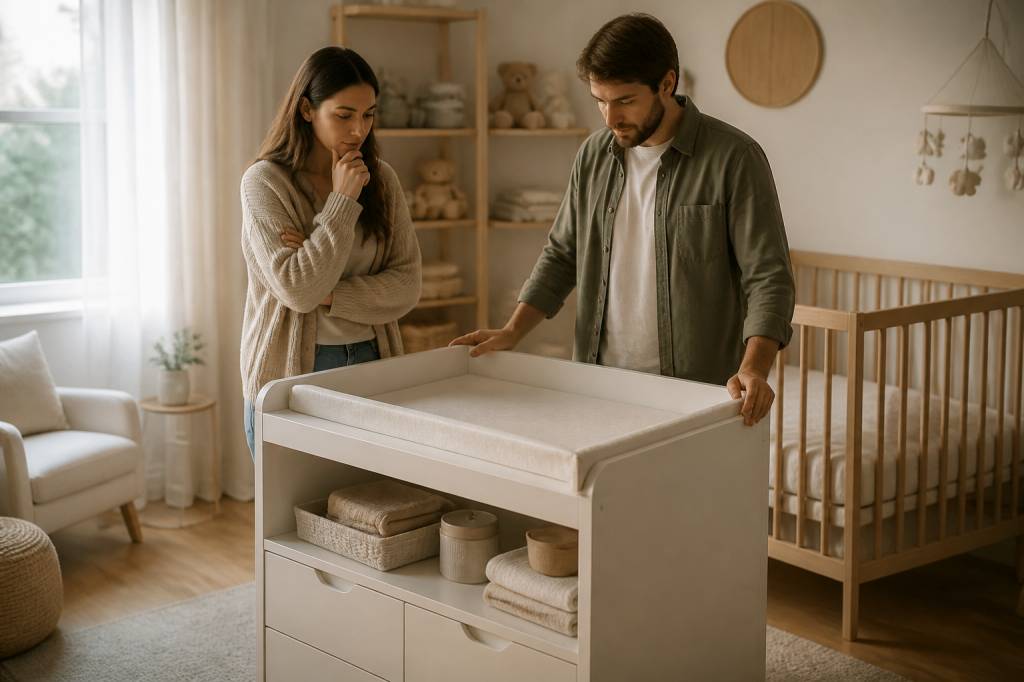
Buying a changing table can feel like one of those deceptively simple baby decisions that suddenly turns into a rabbit hole. You start by thinking, “We just need a place to change diapers,” and before long you’re comparing drawers, safety rails, convertible designs, and prices that seem to range from pleasantly reasonable to “wait, does it also burp the baby?”
If you’ve found yourself wondering what a fair changing table price looks like, you’re not alone. Many parents discover that the cost is tied not only to the furniture itself, but also to the room you’re working with, how long you plan to use it, and whether you want something basic or a piece that grows with your child. A changing table is one of those baby items that sits at the crossroads of practicality and comfort, and the right choice often depends on what daily life actually looks like in your home.
Let’s walk through what influences the price, what you can expect at different budget levels, and how to tell whether a changing table is worth the investment for your family.
What affects the price of a changing table?
The price of a changing table is rarely just about the surface where the diaper goes. Several factors shape the final cost, and understanding them can help you shop with more confidence and less panic.
Material matters. Solid wood models usually cost more than composite or engineered wood versions, but they may also last longer and feel sturdier. If you’re hoping to keep the piece for years or reuse it for another child, that durability can matter. On the other hand, a simpler material can be perfectly practical for a short-term setup.
Size and storage change the price. A compact changing table with a basic shelf will usually cost less than a larger dresser-style piece with multiple drawers. Extra storage is wonderful when you’re deep in newborn life and want diapers, wipes, creams, and tiny onesies within arm’s reach. But more storage usually means more cost.
Design also plays a role. Minimalist tables, wall-mounted changing stations, and foldable units often sit at different price points than traditional nursery furniture. A sleek design may look beautiful, but sometimes you’re paying partly for the style. And let’s be honest, nursery shopping can quietly become a contest between “practical” and “Instagram-ready.”
Safety features add value. Raised sides, secure changing toppers, anti-tip hardware, and non-toxic finishes may slightly increase the price, but they’re worth paying attention to. When you’re changing a wriggly baby at 2 a.m., peace of mind is priceless.
Brand reputation influences cost. Well-known nursery brands often charge more because of quality control, design consistency, and customer trust. That doesn’t automatically mean the cheapest option is unsafe or the most expensive one is better, but brand pricing can definitely affect your budget.
Typical changing table price ranges
While exact prices vary by retailer and region, most changing tables fall into a few broad categories. Knowing these ranges makes it easier to decide what “reasonable” means for your household.
- Budget-friendly: around $50 to $120
These are usually basic tables with simple shelving or a lightweight frame. They can be a good choice if you need a functional solution without a big upfront cost. - Mid-range: around $120 to $300
This is where many parents find the best balance between quality, storage, and design. You’ll often see sturdier construction, more attractive finishes, and added features. - Higher-end: around $300 to $700+
At this level, you may be looking at premium materials, designer nursery furniture, or dressers that double as changing stations. These are often built to last and may transition well after the diaper years.
There are also ultra-budget options under $50, but they tend to be very basic and may not offer the stability or storage many parents need. If you go that route, it’s especially important to check reviews, weight limits, and assembly quality.
On the other end, luxury changing tables can cost significantly more, especially if they’re part of a coordinated nursery collection. Those pieces can be beautiful, but they’re not necessary for a safe, comfortable changing setup. Babies are famously uninterested in matching furniture.
Should you buy a changing table or use something else?
This is where the decision gets more personal. A changing table is useful, but it is not the only option. Many parents ask themselves whether it’s worth the money or whether a dresser with a changing pad would work just as well.
A dedicated changing table can be helpful if:
- You want a designated diaper-changing space
- You need open storage for diapers and essentials
- You have enough room in the nursery
- You prefer baby gear that feels lightweight and purpose-built
A dresser with a changing topper can be a smarter choice if:
- You want furniture that lasts beyond the baby stage
- You need more storage for clothes and linens
- You prefer a more durable, substantial piece
- You’re trying to limit the number of furniture items in the room
And then there are parents who use a portable changing pad on the bed, couch, or floor. That setup can work beautifully, especially in smaller homes or apartments. It costs less, takes up almost no space, and can be moved from room to room. The trade-off is convenience and organization. You may save money, but you may also spend more time gathering supplies every time a diaper change happens.
So the real question is not just “How much does a changing table cost?” but “What kind of daily rhythm do I want in this stage of parenting?” That small shift in perspective can make the decision feel much less overwhelming.
What you’re actually paying for
It helps to think beyond the sticker price. A changing table is not just furniture; it is part of your everyday routine with a baby. That means the value comes from how it functions in real life.
When a changing table works well, it saves time. Supplies are where you need them. Your back is spared from constant bending. The changing area is organized enough that you can find the wipes before the baby discovers how much fun it is to roll halfway off the pad. Small victories matter in parenting.
You’re also paying for comfort. A stable changing setup makes the process smoother for both parent and baby. It can reduce stress during those frequent early-month diaper changes and help you feel more prepared, especially when you’re still learning your way around life with a newborn.
And then there’s longevity. Some tables are designed to be used only during the diaper years, while others can transform into dressers or storage furniture later on. If you choose a convertible piece, the higher price may feel easier to justify because it keeps serving your family long after the baby stage fades.
How to shop smart without overspending
You do not need the most expensive changing table to create a calm, functional nursery. A thoughtful purchase often beats a flashy one. Here are a few ways to stay within budget while still getting something useful and safe.
- Set your budget before browsing. It’s easier to avoid impulse upgrades when you know your limit from the start.
- Check safety details carefully. Look for sturdy construction, anti-tip hardware if needed, and a design that keeps essentials within reach.
- Measure your space. A well-sized table will serve you better than a larger, prettier piece that makes the nursery feel cramped.
- Read reviews from real parents. Comments about wobbling, difficult assembly, or weak finishes can save you from regret later.
- Consider secondhand options. A used changing table can be a smart buy if it is in good condition, clean, and still structurally sound.
- Think about long-term use. If the piece will later become a dresser, spending a bit more may make sense.
If you’re shopping secondhand, take your time. Check for missing parts, damaged hardware, peeling surfaces, and any recalls. Nursery furniture should feel solid and dependable, not like it’s holding itself together through sheer optimism.
When a lower price is enough
Not every family needs a premium nursery setup. Sometimes a more affordable changing table is exactly the right choice. If your baby’s room is temporary, if you’re living in a smaller space, or if you simply want to keep costs under control, a basic model can be perfectly adequate.
A lower-priced table may be enough if it offers:
- Solid stability
- A comfortable changing height
- Simple storage for essentials
- Easy assembly
- A safe surface for a changing pad
In those early months, many parents realize that convenience matters more than aesthetics. If the table makes diaper changes smoother and keeps your supplies organized, it is doing its job. A baby does not care whether the finish is oak, white, or “warm minimalist mist.” The baby cares whether the diaper gets changed quickly and whether the parent looks vaguely functional.
When it makes sense to spend more
There are also times when a higher changing table price can be justified. If you want furniture that will last for years, a sturdier investment may be worthwhile. This is especially true if you plan to use the piece as a dresser after the changing stage.
Spending more can make sense when you value:
- Better materials and craftsmanship
- More storage space
- A piece that fits elegantly into your home
- Long-term use beyond infancy
- Added stability and safety features
Sometimes the extra money also buys peace of mind. If you know you’ll use the same furniture every day for several years, a sturdy and well-built model can feel like money well spent. That said, price alone should never be the deciding factor. A well-reviewed mid-range option can easily outperform a fancy one that looks lovely but feels flimsy.
Practical extras worth budgeting for
When people think about changing table price, they often focus on the furniture itself and forget the accessories. But a changing station is only as functional as the items around it.
Budget for these essentials too:
- A changing pad
- Washable or disposable pad covers
- Storage baskets or bins
- Diaper cream and wipes
- A small trash can or diaper pail
- Night-light or soft lamp for late changes
These smaller purchases can quietly add up, so it helps to include them in your overall plan. A table that seems affordable at first may become more expensive once you add the pieces that make it truly functional.
Finding the right balance for your family
At the end of the day, the best changing table is the one that fits your home, your budget, and your daily life. Some parents want a simple, sturdy station that gets the job done. Others want a beautiful dresser-style piece that will stay in the room for years. Both choices are valid, and both can be smart depending on your needs.
When you shop, try to ask a few honest questions: How often will I use this? How much space do I have? Do I want this furniture to serve a second purpose later? Am I paying for features I truly need, or just for a look I love in the moment?
Those questions can save you from overspending and help you feel more grounded in your choice. And in the middle of baby shopping, grounded is a very good feeling indeed.
A changing table should make parenting a little easier, not more complicated. If it brings order to the chaos, supports your routine, and fits comfortably into your budget, then its price is probably the right one for your family.