
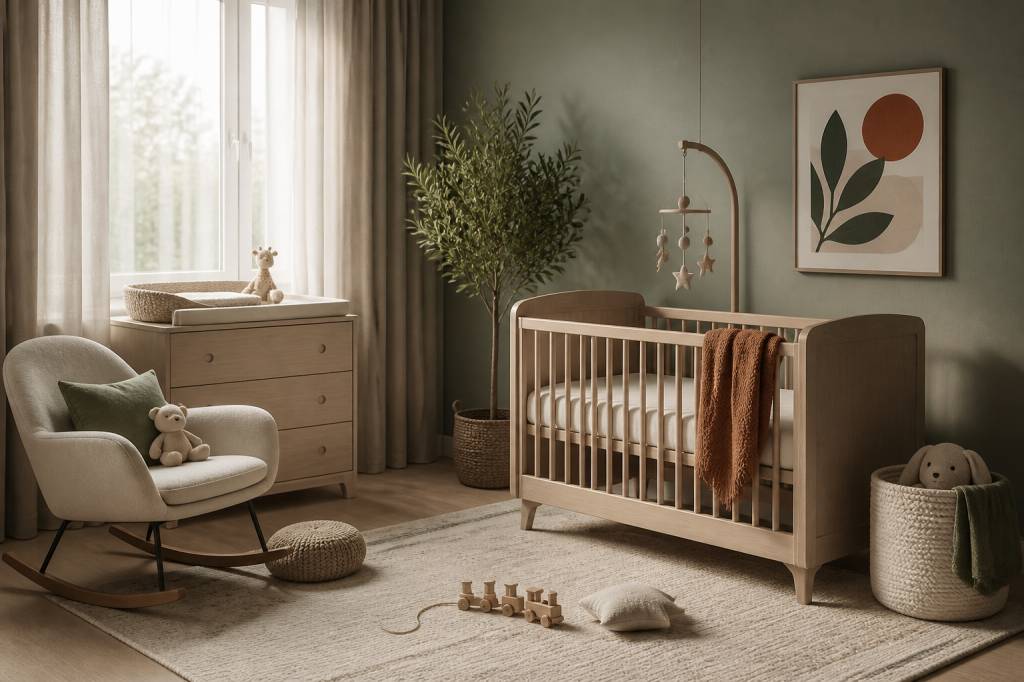
There is a particular kind of calm that settles into a home when the nursery is thoughtfully prepared. Not perfect, not Pinterest-polished in a way that makes you afraid to touch anything, but calm in the truest sense: a room that feels safe, soft, and ready for the many small moments that will unfold there. A midnight feeding. A sleepy diaper change. A parent standing in the doorway for one extra minute, simply watching their baby breathe.
When people talk about setting up a baby room, the conversation often drifts quickly toward paint colors, wall art, and tiny blankets that are almost too adorable to use. But the furniture is what quietly carries the daily life of the room. It is the crib where your baby will sleep, the dresser where the onesies will be folded again and again, the chair where you will rock through long nights and early mornings. Choosing high-quality nursery furniture is not only about style. It is about creating a space that supports safety, comfort, and the rhythm of real family life.
Why nursery furniture deserves careful attention
A nursery may be the smallest room in the house, yet it tends to hold a surprising amount of responsibility. It is where your baby will spend so many hours in their earliest months, and the furniture you choose becomes part of that daily environment. That is why quality matters so much.
Well-made nursery furniture tends to be sturdier, safer, and more durable than cheaper alternatives. And when you are already juggling bottles, laundry, sleepless nights, and the occasional emotional spiral over whether a swaddle is too loose, the last thing you need is a wobbly changing table or a dresser with drawer tracks that stick every second Tuesday.
Good furniture should make life easier, not add another layer of stress. It should feel dependable. When your hands are full and your mind is tired, dependable matters more than decorative.
What makes nursery furniture truly high-quality
Quality is not always obvious at first glance. A piece can look beautiful in a showroom photo and still be poorly suited for everyday use. So what should parents look for?
- Solid construction with stable joints and strong hardware
- Non-toxic finishes and low-VOC materials whenever possible
- Safety certifications that meet current standards
- Surfaces that are easy to clean after the inevitable spills and smudges
- Designs that can adapt as your child grows
- Comfortable, practical details such as smooth drawer movement or rounded edges
If a piece feels flimsy in the store, it will probably feel even less reassuring after a few months of use. Nursery furniture should have a sense of steadiness to it. Babies grow quickly, but the room still needs to remain reliable through every stage, from newborn haze to toddler curiosity.
The crib: the heart of the nursery
The crib is often the first major piece parents choose, and for good reason. It is the center of the baby room both visually and functionally. It is also one of the most important furniture decisions you will make.
Look for a crib that meets the latest safety standards and has a strong, simple structure. Adjustable mattress heights are especially useful, since they allow the crib to adapt as your baby begins to roll, sit, and eventually attempt the great escape.
A beautiful crib is lovely, of course. But the best crib is one that supports restful sleep and gives parents peace of mind. Avoid overly ornate designs with decorative cutouts or excessive embellishments, as these can sometimes be less practical or harder to keep safe. Clean lines often age better and blend easily with changing decor.
One small but meaningful detail: think beyond the first few months. A crib that converts into a toddler bed or offers long-term flexibility can be a wise investment, especially if you want furniture that grows with your child instead of becoming another item to replace.
Dressers and storage that truly work
If the crib is the heart, the dresser is the steady hands of the nursery. It quietly keeps the room functioning. Tiny socks, sleep sacks, burp cloths, lotions, spare sheets, bibs, tiny hats you swear you will use one day—everything needs a home.
A high-quality dresser should feel substantial, with drawers that glide smoothly and stay aligned over time. Stability is essential, especially in a nursery. Anchoring furniture to the wall is not optional; it is part of creating a safe space for a curious child.
Many parents also appreciate dressers that can double as changing stations. This is often a smart way to save space and reduce the number of pieces in the room. A sturdy dresser topped with a secure changing pad can be more practical than a separate changing table, and it can continue serving the room long after diaper days are behind you.
Storage should feel intentional rather than overwhelming. It is tempting to imagine that a baby needs every possible organizer, basket, and bin on the market. In reality, a few well-chosen storage pieces often work better than a room full of containers that look organized but somehow still conceal nothing you actually need.
Seating that supports the real work of parenting
Any parent who has spent long stretches rocking, soothing, feeding, or simply holding a baby in the middle of the night knows that nursery seating is not a luxury. It is a survival tool, and one that should be chosen carefully.
A good nursery chair or glider should offer proper support for your back and arms, especially during those long feeds or calming sessions. Look for comfortable cushioning, stable construction, and a gentle motion if you prefer a rocking chair or glider. Some parents like a firmer seat; others want something softer and more enveloping. There is no universal answer, only the chair that helps you stay comfortable when your arms are full and your eyes are half-closed.
It helps to test the chair before buying if possible. Sit in it for longer than a minute. Imagine yourself there at 2:13 a.m., whispering a lullaby that only half remembers the words. Does the chair still feel supportive? Are the armrests at a helpful height for feeding? Is it easy to get in and out of, especially when you are tired?
Small details matter more than we expect. A side pocket for burp cloths, a matching ottoman, or easy-to-clean fabric can make the chair feel even more useful in daily life.
Safety features that should never be overlooked
Safety is not the least glamorous part of nursery design, but it is the most important. A beautiful room only matters if it is also safe.
When choosing nursery furniture, make sure it has been designed with child safety in mind. That means checking for secure assembly, wall anchors, stable bases, and materials that do not contain harmful chemicals. If a product seems to rely on clever looks more than practical structure, it is worth pausing.
Some essential safety habits to keep in mind:
- Always anchor dressers, shelves, and any tall furniture to the wall
- Choose a crib with proper spacing and current safety compliance
- Avoid placing soft items, loose bedding, or extra pillows in the crib
- Keep cords from blinds, monitors, or lamps out of reach
- Ensure changing areas are stable and never left unattended
These are not dramatic precautions. They are the quiet, everyday choices that make a room genuinely supportive for a baby and reassuring for parents. And honestly, reassurance is priceless when you are already living on fragments of sleep.
Choosing style without sacrificing function
A nursery should feel like part of your home, not a showroom designed to impress strangers and confuse actual residents. Style matters because it shapes how the room feels when you walk in, but function should always lead.
One of the most practical ways to create a stylish nursery is to start with timeless furniture. Neutral finishes, simple silhouettes, and natural materials tend to work well across different design styles and can adapt as your child grows. This approach also makes it easier to refresh the room later with textiles, wall art, or accessories rather than replacing the bigger pieces.
Soft wood tones can bring warmth, while painted finishes in muted shades often create a gentle, restful atmosphere. White nursery furniture remains popular because it feels clean and flexible, but darker stains or warm oak tones can be equally beautiful and sometimes more forgiving when life gets messy, as it inevitably does.
Style can also live in the details:
- Rounded edges that soften the look of a room
- Simple hardware that feels understated and elegant
- Matching finishes across crib, dresser, and shelving
- Natural textures in rugs, curtains, and woven baskets
The goal is not to create a nursery that looks untouched. It is to create one that feels calm, intentional, and easy to live in.
Materials that stand up to real family life
Nursery furniture has to handle a lot more than it appears to on day one. It must survive wipes, laundry baskets, toy rotations, teething stages, and the occasional toy thrown with surprising force. That is why materials matter.
Solid wood is often a strong choice for durability, though it is not the only option. High-quality engineered wood can also be a good solution when made well and finished properly. What matters most is structural integrity and safe, low-emission materials.
Fabric choices matter too, especially for chairs and upholstered pieces. Look for stain-resistant or easy-clean options whenever possible. When you are holding a baby in one arm and trying to clean a milk spill with the other, practicality becomes its own form of beauty.
How to make the investment worthwhile
High-quality nursery furniture may cost more upfront, but it often proves more valuable over time. Instead of replacing cheaper pieces that wear out quickly, you are investing in furniture that can remain useful through several stages of childhood.
Before you buy, ask yourself a few simple questions:
- Will this piece still be useful in two or three years?
- Can it adapt as our child grows?
- Is it built well enough to handle everyday use?
- Does it solve a real need in the room?
- Will it still feel right if the nursery style changes?
Sometimes the most thoughtful purchases are not the most dramatic ones. A well-made dresser, a supportive chair, or a convertible crib can do more for your daily life than a room full of decorative extras. The beauty of quality furniture is that it quietly earns its place.
Creating a nursery that feels safe, peaceful, and lived in
The most cherished nurseries are rarely the most elaborate ones. They are the rooms that feel cared for. A place where the furniture is sturdy, the layout makes sense, and the atmosphere gently supports the many small rituals of early parenthood.
There is a special comfort in knowing the crib is secure, the dresser drawers open smoothly, and the chair invites you to sit down, breathe, and stay a while. In those early months, the nursery becomes more than a room. It becomes a place of repeated tenderness, one where ordinary furniture supports extraordinary love.
And perhaps that is what makes choosing high-quality nursery furniture so worthwhile. It is not just about creating a pretty space for baby photos. It is about building a room that helps your family move through sleepless nights, tiny milestones, and the tender, fleeting days of early childhood with a little more ease.
Because when a baby room is safe, practical, and beautiful in a way that truly serves your life, it does something quietly wonderful: it gives you one less thing to worry about, and one more thing to cherish.