
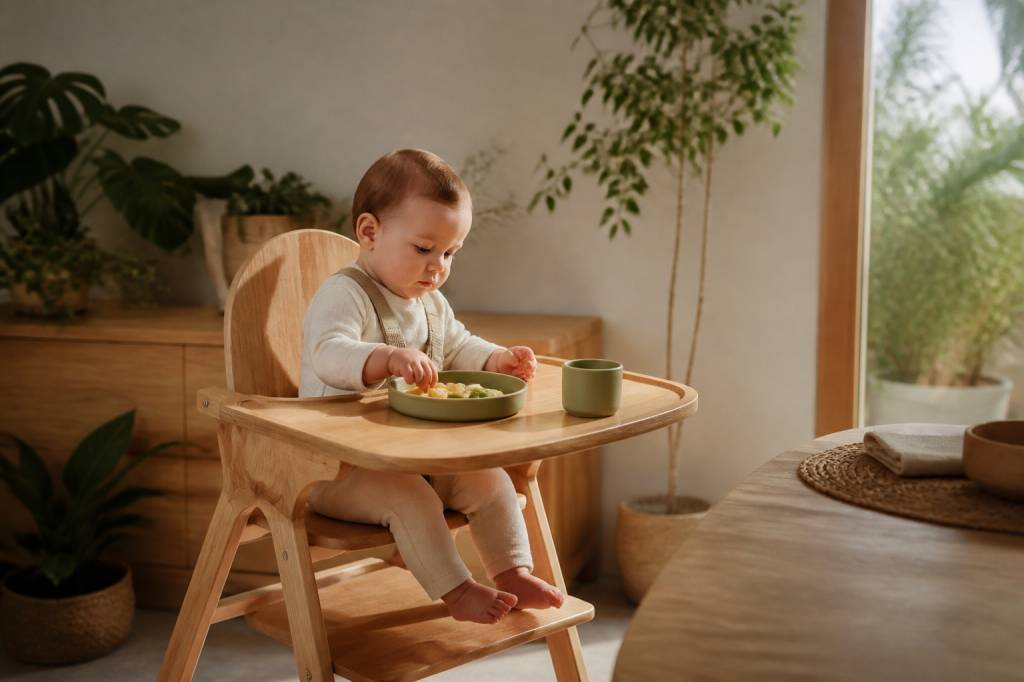
There is a particular kind of mess that only a baby can create: a spoonful of avocado on the tray, a rogue pea under the chair, and a tiny hand reaching for the dog’s water bowl with astonishing determination. In the middle of that cheerful chaos, a high chair becomes more than a piece of furniture. It becomes a daily companion.
For eco-friendly families, that companion needs to do a little more than hold a wiggly baby upright. It should be safe, durable, thoughtfully made, and gentle on the planet too. The good news? A sustainable high chair is absolutely possible to find. The better news? Choosing one often means choosing a piece that lasts longer, ages better, and fits more gracefully into family life.
If you’ve ever stared at a wall of baby gear and wondered why so many products seem designed for a very short life, you’re not alone. A sustainable approach asks a different question: what will still be useful when the baby grows, the routines change, and the puree phase is a blurry memory? That shift in perspective can save money, reduce waste, and make everyday parenting feel a little more intentional.
What makes a high chair sustainable?
A sustainable high chair is not just one made from wood. Material matters, but it’s only part of the story. True sustainability usually comes from a mix of factors: responsible materials, long lifespan, repairability, safety, and the ability to use the chair for years rather than months.
When shopping, it helps to think beyond the first purchase. A chair that looks eco-friendly but falls apart after one child has not really been a low-impact choice. Sustainability is often about durability and design as much as it is about raw materials.
Look for these qualities:
A high chair that grows with your child is often the quiet hero of a less wasteful nursery. It may not be the flashiest purchase, but it is the kind you appreciate every time you do not have to replace it.
Materials that matter
Material choice is usually where eco-minded families begin, and for good reason. It affects the chair’s environmental footprint, appearance, durability, and even the way it feels in a home.
Wood
Wooden high chairs are popular for sustainable nurseries because they tend to last, can be repaired more easily than plastic models, and often have a timeless look. If the wood is FSC-certified, that means it comes from responsibly managed forests. That small label can make a meaningful difference.
Solid hardwood is generally more durable than cheaper composite materials. It may cost more upfront, but the chair often survives siblings, cousins, and the occasional enthusiastic banging of a wooden spoon.
Plastic
Plastic is not automatically a bad choice, but it requires a careful eye. Some plastic chairs are lightweight, practical, and easy to clean, which can be helpful in real family life. Still, lower-quality plastic may wear out quickly, stain easily, or end up in a landfill far too soon.
If you choose a plastic model, consider whether it is made from recycled material, whether the brand offers replacement parts, and whether the chair is designed to last for more than one stage of childhood.
Metal and mixed materials
Some high chairs use metal frames with wood or plastic elements. These can be sturdy and long-lasting, especially if the seat is removable or adjustable. Mixed materials are not inherently unsustainable, but they can be harder to recycle at the end of life. That makes quality and longevity especially important.
Safety and sustainability go hand in hand
Parents often think of safety first, and rightly so. But sustainability and safety are not separate conversations. A well-made, stable, non-toxic high chair is better for your child and better for the planet because it is less likely to be replaced quickly.
When evaluating a chair, check for:
If a chair has a beautiful look but wobbles like a café table on an uneven floor, that is not the kind of charm you want. A sustainable choice should feel dependable every single day.
Why adjustability matters more than you think
One of the smartest things a family can choose is a high chair that adapts as the child grows. Adjustable seat height, recline options, and footrest positions can extend the chair’s life well beyond the early feeding months.
That matters for two reasons. First, you avoid buying multiple chairs or boosters too soon. Second, your child is more likely to be seated comfortably, which can make meals calmer for everyone involved. A supported child is often a less wiggly child, and that is a small miracle any parent can appreciate.
Some sustainable chairs convert into toddler chairs or child-sized seating. Others can be used from infancy into the preschool years with simple adjustments. If you’re trying to reduce consumption, those multi-stage designs are often excellent value.
Secondhand high chairs: a smart eco-friendly option
Buying secondhand is one of the most effective ways to lower the environmental impact of baby gear. High chairs, in particular, are often available used because babies outgrow them quickly and many families only need one for a short period.
Still, secondhand buying deserves a careful checklist. A used chair can be a lovely find, but it should not come with hidden risks.
Before buying secondhand, check:
Sometimes a used high chair only needs a fresh harness or a new cushion cover to feel almost new. That kind of restoration is satisfying in a very practical, parent-friendly way. It is also a quiet reminder that not everything needs to be brand-new to be safe, beautiful, or useful.
Design features that make daily life easier
Sustainability should not mean sacrifice for the sake of principle alone. The best eco-friendly products are the ones you actually enjoy using. If a high chair is hard to clean, awkward to move, or impossible to adjust, it will become a source of frustration fast.
These features can make family life smoother:
A chair that is simple to clean reduces the urge to use disposable wipes or harsh sprays. That may seem like a small detail, but in the daily rhythm of feeding, small details matter. A lot.
Certifications and labels worth noticing
Labels can be confusing, and no parent wants to spend a quiet evening decoding product jargon. Still, a few certifications can help you narrow the field.
Useful labels may include:
No label replaces common sense, but together they can offer reassurance that a brand is paying attention to more than marketing language. If a company is transparent about sourcing, safety testing, and repair options, that is usually a promising sign.
The carbon footprint hidden in convenience
It is easy to be drawn to a budget high chair that ships quickly, folds neatly, and seems “good enough” for a few months. Many of us have been there, balancing sleep deprivation, budgets, and a dozen other priorities. But convenience can carry hidden costs: rapid replacement, poor materials, and more waste than expected.
Choosing a sustainable high chair is a small act, but it is also part of a larger pattern. Families make so many decisions this way: one purchase here, one durable item there, and slowly the home becomes less disposable. There is comfort in that. Not perfection, just intention.
Ask yourself a few simple questions:
If the answer to most of those questions is yes, you are likely looking at a more sustainable choice.
How to care for a sustainable high chair
Care is part of sustainability. A chair that is well maintained lasts longer, which means less waste and better value over time. Fortunately, baby furniture does not need elaborate rituals to stay in good shape.
Simple habits help:
If your chair is wooden, occasional care may include checking the finish and avoiding overly wet cleaning methods. If it is plastic, inspect for cracks or stress points over time. A little attention now and then keeps the chair ready for the daily storm of crumbs and tiny fingerprints.
What a good sustainable purchase feels like
There is a special kind of relief that comes from buying something once and knowing it will serve your family well. With baby gear, that feeling is rare enough to be worth pursuing. A sustainable high chair should feel steady, useful, and quietly beautiful in the corner of your kitchen or dining room.
It may even become part of your family’s memory. The chair where the baby learned to hold a spoon. The chair where a first birthday cake was gently smashed and thoroughly enjoyed. The chair that stayed through toddler moods, sticky hands, and ordinary Tuesday dinners.
That is the deeper appeal of sustainable furniture. It is not only about reducing waste, though that matters. It is also about choosing objects that can hold life well, without demanding constant replacement or attention.
A practical shortlist for eco-friendly families
If you are ready to shop, here is a simple checklist to keep nearby:
A sustainable high chair does not have to be expensive, and it does not have to be perfect. It just needs to be thoughtfully chosen. Sometimes the most eco-friendly decision is the one that quietly supports your family for years while asking very little in return.
And if your baby uses the tray as a drum, a canvas, or a launchpad for broccoli, well, that is simply part of the story.