
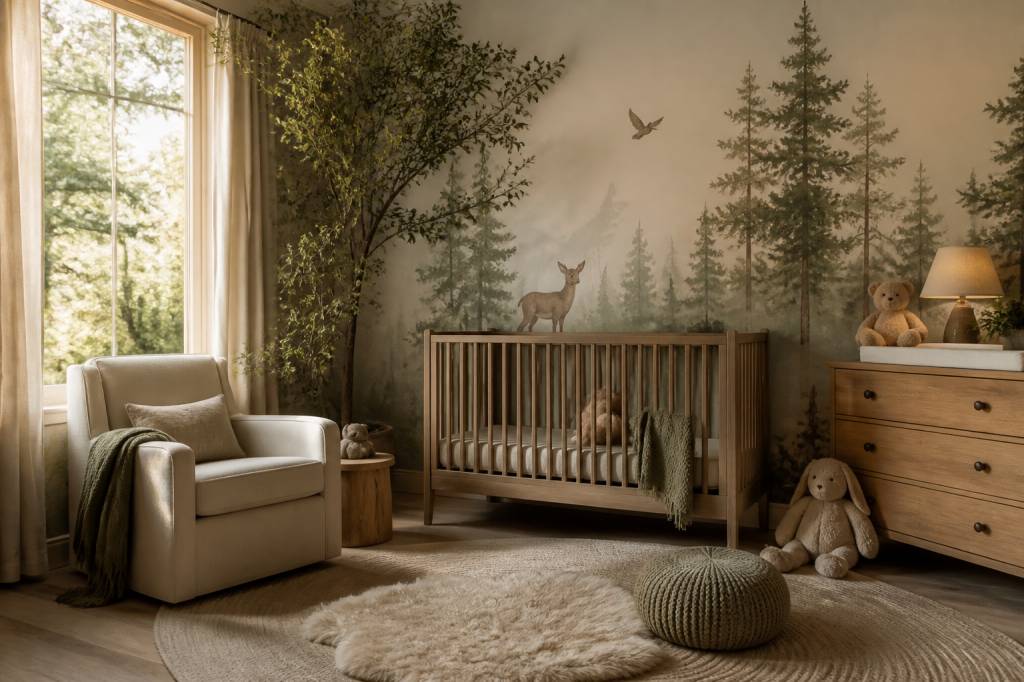
There is something deeply comforting about a nursery that feels like a quiet walk in the woods. Soft greens, warm woods, gentle animal touches, and textures that invite the eye to slow down can turn even the smallest room into a little sanctuary. And if you are designing a baby room, that sense of calm matters. Babies may not be choosing the decor yet, but they do notice light, contrast, and the emotional tone of a space. So do tired parents stumbling in at 2 a.m. with a bottle in one hand and a swaddle in the other.
Forest-inspired nursery decor has become so loved for a reason: it balances whimsy and serenity beautifully. It can feel playful without becoming loud, stylish without becoming cold, and timeless without feeling overly formal. If you are hoping to create a cozy baby room that feels grounded and soothing, the forest theme offers endless room for creativity. The best part? You do not need to turn the nursery into a themed cartoon set. A few thoughtful choices can evoke the woods in a subtle, elegant way.
Start with a soft, nature-inspired color palette
Before you buy a single stuffed fox or woodland wall print, begin with color. A forest nursery works best when the palette feels layered and restful. Think moss green, warm beige, creamy white, soft brown, muted sage, dusty terracotta, and touches of deep forest tones for contrast. These shades create a cocoon-like effect that feels calming at any hour of the day.
If you prefer a lighter room, you can keep the walls creamy or pale sage and introduce deeper colors through furniture, textiles, and art. If you love a moodier feel, a deep green accent wall behind the crib can look gorgeous, especially when balanced with natural wood and plenty of soft fabric. The trick is to avoid making the room too saturated. A nursery should feel like a gentle exhale, not a dramatic forest storm.
A small personal tip: when I have seen parents hesitate between “cute” and “calm,” the calmer choice often wins in the long run. Babies grow quickly, and a soothing palette is easier to adapt as the room evolves from newborn days to toddler adventures.
Choose wood furniture that feels warm and simple
Forest decor and wood furniture are natural partners. A crib, dresser, or rocking chair in oak, walnut, ash, or a warm wood finish adds organic texture and instantly makes the room feel more grounded. The goal is not to match every piece perfectly, but to let the materials feel intentional and natural.
Look for furniture with clean lines and soft curves. A crib with rounded edges, a dresser with understated handles, or a glider wrapped in linen can keep the room feeling gentle rather than overly rustic. If you are mixing woods, try to keep the undertones harmonious. For example, warm oak pairs beautifully with sage and cream, while darker walnut works well with deep green and earthy neutrals.
Natural wood also has a practical advantage: it tends to age gracefully. That matters in a nursery, where spills, scratches, and the occasional mysterious smudge are part of the job description. You want pieces that can survive both babyhood and the much messier toddler stage.
Layer textures to create that cozy woodland feeling
A forest nursery should feel tactile. Softness matters. Layering textures is one of the easiest ways to make the room feel cozy without crowding it. Think knitted blankets, cotton crib sheets, a wool rug, woven baskets, linen curtains, and a plush reading chair. These elements bring warmth and dimension to the space.
Natural textures can also make the room feel richer even if the color palette stays simple. A boucle cushion, a jute basket, a rattan wall shelf, or a quilted crib bumper alternative can all add visual interest. If you have ever walked into a room and immediately wanted to curl up in it, texture was probably doing a lot of that work.
For baby rooms, comfort and practicality should go hand in hand. Choose washable fabrics when possible, especially for items that will be touched constantly. A beautiful nursery is wonderful, but a beautiful nursery that survives spit-up is even better.
Use woodland animals with restraint and charm
Foxes, deer, owls, bears, rabbits, and squirrels are classic woodland motifs for a reason: they are gentle, familiar, and naturally suited to a nursery setting. But there is a fine line between charming and cluttered. The most elegant forest nurseries usually use animal accents sparingly and thoughtfully.
Instead of covering every surface in woodland creatures, choose a few focal points. Perhaps there is a framed print above the changing table, a sleepy deer mobile above the crib, and a small fox plush tucked into a reading nook. That is enough to suggest the theme without overwhelming the eye.
You can also lean into the idea of storytelling. A few illustrated animal prints can create a little world rather than a decorative checklist. The room begins to feel like a quiet storybook forest, where every detail has a purpose.
Bring the outdoors in with botanical wall art
Not every forest nursery needs obvious animals. Sometimes trees, leaves, mountains, and gentle landscapes do more to create the mood. Botanical prints and nature-inspired wall art are a lovely way to make the theme feel more sophisticated and enduring.
Consider watercolor trees, fern illustrations, pressed-leaf framed art, or a simple set of mountain silhouettes in muted colors. A mural can be beautiful too, especially if you want one wall to carry the theme while the rest of the room stays calm and uncluttered. Soft hand-painted branches can make the room feel poetic without being overly busy.
Wall art is also a smart place to add a little flexibility. If you want the nursery to grow with your child, choose pieces that are nature-based rather than heavily baby-specific. That way, the room can evolve without requiring a full redesign when your little one discovers trucks, dinosaurs, or a passionate dislike of naps.
Let lighting feel soft and layered
Lighting can make or break the atmosphere in a nursery. For a cozy forest room, you want light that feels gentle and layered. Harsh overhead lighting tends to flatten a room, while a combination of softer sources creates warmth and flexibility.
Try adding a dimmable ceiling fixture, a warm-glow table lamp, and perhaps a small night light with a subtle nature motif. If the nursery gets good daylight, use sheer curtains or linen drapes to filter the light rather than block it completely. Natural light makes all those greens, woods, and creams come alive during the day, while warm lighting at night keeps the room soothing for feedings and bedtime routines.
There is also something emotionally comforting about a nursery that shifts gently from day to night. Bright enough for play, soft enough for sleep. That balance is a quiet gift for both baby and parent.
Create a reading nook that feels like a tiny cabin corner
If the room allows, a reading nook can become one of the most beloved spots in the nursery. It does not need to be elaborate. A comfortable chair, a small side table, a basket of books, and one or two pillows are enough to create a little retreat for bedtime stories and early-morning cuddles.
To fit the forest theme, add a textured throw blanket, a warm wood stool, or a shelf shaped like a house or tree. A soft rug underneath can define the corner and make it extra cozy underfoot. This is where the nursery becomes more than decor; it becomes a rhythm of life. Feeding, reading, rocking, resting. Those moments deserve a space that feels nurturing.
If you are short on room, even a small reading corner can work beautifully. I have seen parents transform a single chair and a basket of board books into a favorite ritual. Sometimes a tiny corner becomes the heart of the room.
Use baskets and storage that blend beauty with function
Nurseries accumulate things at surprising speed. Blankets, diapers, toys, burp cloths, lotions, books, tiny socks that seem to vanish into another dimension. Storage is not optional; it is survival with good design.
For a forest-inspired nursery, storage can be part of the decor. Woven baskets, canvas bins, wooden shelves, and under-crib drawers fit the theme while keeping everyday items easy to reach. Neutral storage pieces soften the visual clutter and make the room feel peaceful even when real life is in full swing.
Labeling bins can help too, especially once your baby grows and the room starts serving more than one purpose. A tidy nursery is not about perfection. It is about making the little things easier, so the room supports your routines instead of fighting them.
Add subtle handmade details for extra warmth
Forest decor becomes especially lovely when it includes personal, handmade, or one-of-a-kind touches. A knitted blanket from a grandparent, a framed name print, a hand-painted wooden sign, or a mobile made from felt leaves can bring heart into the room. These details make the space feel lived-in and loved, not styled for a photograph.
If you enjoy DIY projects, the forest theme is a forgiving one. A simple branch painted in a muted tone can become a coat rack. A thrifted frame can hold a pressed botanical print. Fabric scraps in earthy colors can be turned into bunting or wall hangings. You do not need to be a professional crafter; a few thoughtful touches go a long way.
And if handmade projects are not your thing, that is perfectly fine. A nursery does not need to prove anything. It simply needs to feel right for your family.
Keep the space calm, safe, and easy to live in
However beautiful the design, a baby room still has to work for daily life. Safety and comfort should guide every decorative choice. Secure shelves to the wall, keep cords out of reach, and make sure any decor above the crib is firmly mounted and placed safely. Soft aesthetics are important, but so is peace of mind.
Try to keep the room uncluttered. In a forest nursery, negative space helps the theme breathe. A few well-chosen elements often have more impact than a room full of small accessories competing for attention. Babies need room to grow, and parents need room to function.
If you are wondering whether your nursery feels cozy enough, ask yourself a simple question: would this room help me slow down on a difficult day? If the answer is yes, you are on the right track.
Forest nursery decor ideas you can mix and match
To make the theme easier to plan, here are a few elements that work especially well together:
- Soft sage walls with natural wood furniture and cream textiles
- A woodland animal print set with muted green and beige accents
- A leaf-shaped mobile above the crib and a woven basket for toys
- A deep green accent wall paired with linen curtains and an oak dresser
- A reading corner with a boucle chair, a small lamp, and forest storybooks
- A mountain or tree mural balanced with simple furniture and soft rugs
- Felt garlands, botanical art, and a cozy knit blanket for layered warmth
You do not need to include everything. In fact, the most inviting nurseries usually edit wisely. Pick a few ideas that reflect your style and build from there.
A forest-inspired nursery has a special kind of magic. It feels protective, gentle, and quietly adventurous, which is a lovely combination for the first room your baby will call home. Whether you prefer a light woodland look with creamy neutrals or a richer, moodier palette with deep green and wood tones, the theme offers enough flexibility to suit many styles and families. And perhaps that is why it feels so enduring: it mirrors what parenting often is, a blend of softness and strength, beauty and practicality, stillness and constant change.
If you design with warmth, restraint, and a little imagination, the room will feel less like a decorated space and more like a small haven. One where bedtime stories feel softer, early mornings feel a little gentler, and the everyday work of caring for a baby takes place inside a room that quietly says, you are safe here.