
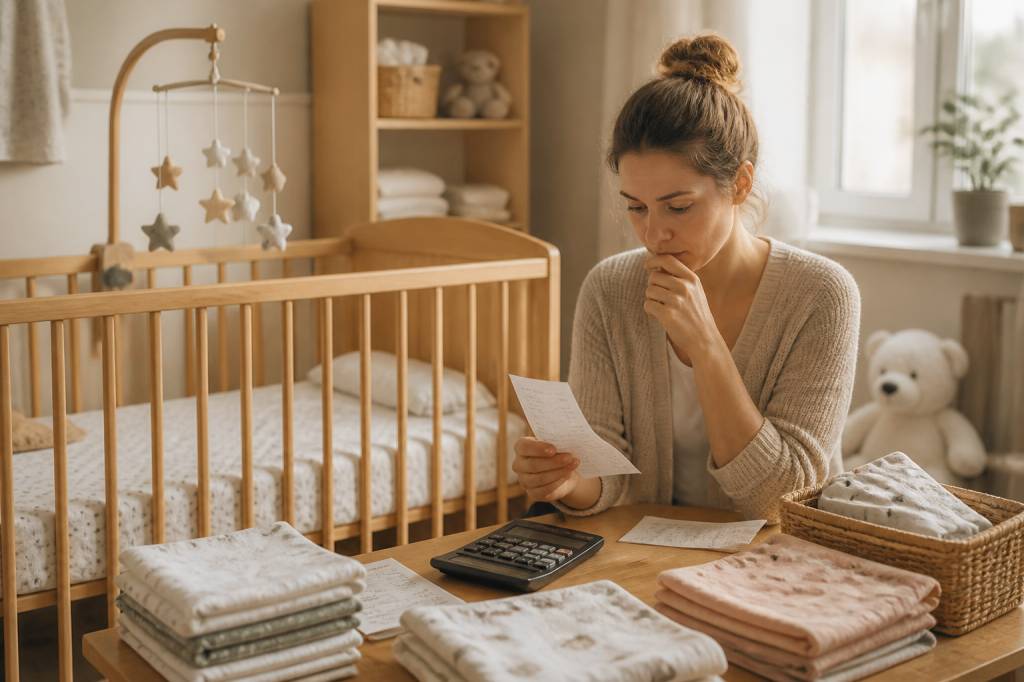
There are baby purchases that feel delightfully small in the moment and somehow become surprisingly important by 2 a.m. on a Tuesday. Crib sheets are one of them. They look simple, almost invisible in the long list of nursery essentials, yet they sit at the intersection of comfort, safety, practicality, and budget. And when you start shopping, the question appears quickly: why do crib sheets cost so much, and what are parents actually paying for?
If you have ever added a set of crib sheets to your cart and paused at the price, you are not alone. Some cost less than a coffee run. Others feel like they belong in a boutique hotel rather than a baby’s room. The good news is that you do not need the most expensive option to create a safe, cozy sleep space. But understanding what drives the price can help you spend wisely, avoid false bargains, and choose sheets that hold up through the many wash cycles that baby life demands.
What affects the price of crib sheets?
At first glance, a crib sheet is just a fitted rectangle of fabric. In reality, pricing depends on a handful of details that matter more than many parents expect. Material, construction, brand, certifications, and packaging all play a role.
Fabric is usually the biggest factor. Cotton is common, but not all cotton is created equal. Basic cotton sheets tend to be the most affordable. Organic cotton, premium long-staple cotton, or specialty blends often cost more because the fibers are more durable, softer, or produced with stricter standards. That extra softness can feel lovely against a baby’s skin, though it also tends to come with a higher price tag.
Then there is the weave and finishing. A sheet made with tighter stitching, reinforced elastic, and durable seams will usually cost more than a basic version. That added quality matters because crib sheets are washed constantly. Anyone who has ever pulled a sheet from the dryer only to find the elastic stretched out like old spaghetti knows the frustration.
Brand name also affects cost. Some companies charge more for design, reputation, or a particular aesthetic. You are not only paying for fabric; you are sometimes paying for the promise of curated nursery style. And yes, the nursery world can be surprisingly stylish. One minute you are shopping for sleep essentials, and the next you are comparing muted sage against oatmeal stripes like you are designing a boutique retreat.
Certifications can add to the cost too. Labels such as organic, OEKO-TEX, or other safety and quality standards require testing and compliance. Many parents value that reassurance, especially when choosing items that will be in constant contact with baby’s skin.
Typical crib sheet price ranges
So what should parents expect to spend? The range is wide, but most crib sheets fall into a few general categories:
Budget sheets can be perfectly fine, especially if they are made from breathable fabric and fit securely. Mid-range sheets often offer a better balance of softness, durability, and style. Premium sheets may justify their price through organic materials, luxe textures, or designer appeal.
The important thing is not to assume that a higher price automatically means better performance. Some affordable crib sheets are excellent. Some expensive ones are mostly selling a name. As any parent learns quickly, baby shopping rewards curiosity more than impulse.
Why fit matters more than fancy packaging
One of the most practical things parents can look for is fit. A crib sheet should fit snugly on the mattress, stay in place, and be easy to put on and remove. If the sheet slips, bunches, or leaves loose fabric, that is not just inconvenient; it can also affect sleep quality and safety.
Cheaper sheets sometimes cut corners on elastic or sizing. They may feel fine in the package but become loose after a few washes. Better-made sheets usually have strong elastic all around the perimeter and deeper pockets that keep them secure.
A parent once told me she had bought a beautiful set of nursery sheets that looked like a dream in the store. But after two washes, she was wrestling with corners at midnight while her baby watched from the crib with the calm judgment only a baby can manage. The lesson? Beauty matters, but a good fit will save your sanity.
What materials are worth paying for?
When shopping for crib sheets, the material should guide your decision more than the packaging. Babies have delicate skin, and temperature regulation can be tricky, so breathable fabrics are usually the best place to start.
Cotton is a popular choice because it is soft, breathable, and easy to wash. It is also available at many price points.
Organic cotton often costs more, but many parents prefer it for its production standards and gentler feel.
Bamboo-derived fabrics are often praised for softness and moisture-wicking properties, though quality varies a lot between brands. Some bamboo blends are excellent; others are more marketing than magic.
Muslin can be lightweight and breathable, which is helpful in warmer climates or for babies who sleep warm.
Jersey knit offers a stretchy, cozy feel and is usually easy to fit on the mattress, though it may wear differently over time.
The best choice depends on your climate, your baby’s skin sensitivity, and how often you plan to wash the sheets. In many homes, a simple cotton or organic cotton sheet hits the sweet spot.
How many crib sheets do parents actually need?
Here is where the budget conversation gets real. It is not just the cost of one sheet. It is the total cost of the number you need to survive the inevitable diaper leaks, spit-up incidents, and middle-of-the-night laundry gaps.
Most parents are best served by having at least two to four crib sheets. Two can work if laundry is frequent, but four gives you a more comfortable buffer. If your baby spits up often or you live in a place where damp laundry takes forever to dry, extra sheets can feel less like excess and more like peace of mind.
When people ask whether crib sheets are worth buying in multiples, the answer is usually yes. A single sheet is manageable until it is the one sheet in the hamper at 8 p.m., and then it becomes a very small emergency.
Buying in a bundle can reduce the per-sheet cost, but bundles are not always the best deal. Check the material, stitching, and size before assuming a pack of three is cheaper in the long run. Sometimes a higher-quality two-pack is the better buy if those sheets last longer and wash better.
What are parents really paying for?
It helps to think beyond the label and ask what value a sheet is actually offering. Here is what parents may be paying for:
In other words, you are not simply buying a sheet. You are buying fewer worries at 3 a.m., fewer laundry-related frustrations, and more confidence that the crib setup is working as it should.
When a higher price is worth it
There are times when spending a little more makes sense. If your baby has sensitive skin, if you want organic materials, or if you value long-term durability, a mid-range or premium sheet may be worth the investment. Better fabric and stronger elastic can save you from replacing sheets as often, which matters more than it may seem when you are already buying diapers, wipes, swaddles, and every tiny thing that appears essential the moment a baby enters the house.
A more expensive sheet can also be worthwhile if it is part of a set you will use heavily from day one. For example, if your nursery is ready and you know your baby will sleep in the crib right away, quality matters. You want something that can handle constant rotation and repeated washes without fading into sadness.
On the other hand, if you are creating a backup sleep space at a grandparent’s house, in a travel crib, or in a room that will be used only occasionally, a simple budget option may be perfectly adequate.
Where parents can save without sacrificing quality
There is no award for buying the most expensive nursery items. In fact, many experienced parents would probably hand the trophy to the one who learned how to spend strategically.
Here are a few practical ways to save money on crib sheets:
Parents often overbuy decorative items and underbuy practical ones. Crib sheets should probably sit in the second category. They do not need to be the prettiest item in the room, though a lovely pattern never hurts. They do need to work hard.
How to spot a good crib sheet before you buy
If you are scrolling online, a few clues can help you decide whether a sheet is worth the price. Check the dimensions carefully, especially if you are using a standard crib mattress or a mini crib. Many headaches come from size mismatches, not bad fabric.
Look at the care instructions too. If the sheet requires special washing, ironing, or delicate handling, ask yourself whether that makes sense for a baby item. Most parents need crib sheets that can handle frequent machine washing without becoming high-maintenance.
Reviews are especially useful when parents mention things like shrinkage, softness after washing, or how well the elastic holds over time. That is the kind of feedback that matters more than polished product photos.
If a sheet is unusually cheap, check whether it feels too thin or flimsy. If it is unusually expensive, ask what justifies the cost. Sometimes the answer is excellent materials. Sometimes it is just an elegant font and a very convincing lifestyle photo.
A practical way to think about the cost
When deciding what to spend, it can help to divide the cost by use. A sheet that costs $24 and lasts through many washes may end up being better value than a $10 sheet that loses its shape quickly and needs replacing. In baby life, durability often saves more money than bargain hunting does.
It is also worth remembering that crib sheets are not a place where perfection is required. You do not need a collection that matches every seasonal nursery update. You need sheets that are safe, washable, comfortable, and reliable. That is the sweet spot.
If you are standing in the nursery, holding a fitted sheet in one hand and a to-do list in the other, the decision can feel bigger than it really is. But it helps to keep the goal simple: choose a sheet that fits well, feels soft, washes easily, and supports your baby’s sleep without straining your budget.
That is usually enough. And in the often overcomplicated world of baby shopping, “enough” can be a very comforting word.