
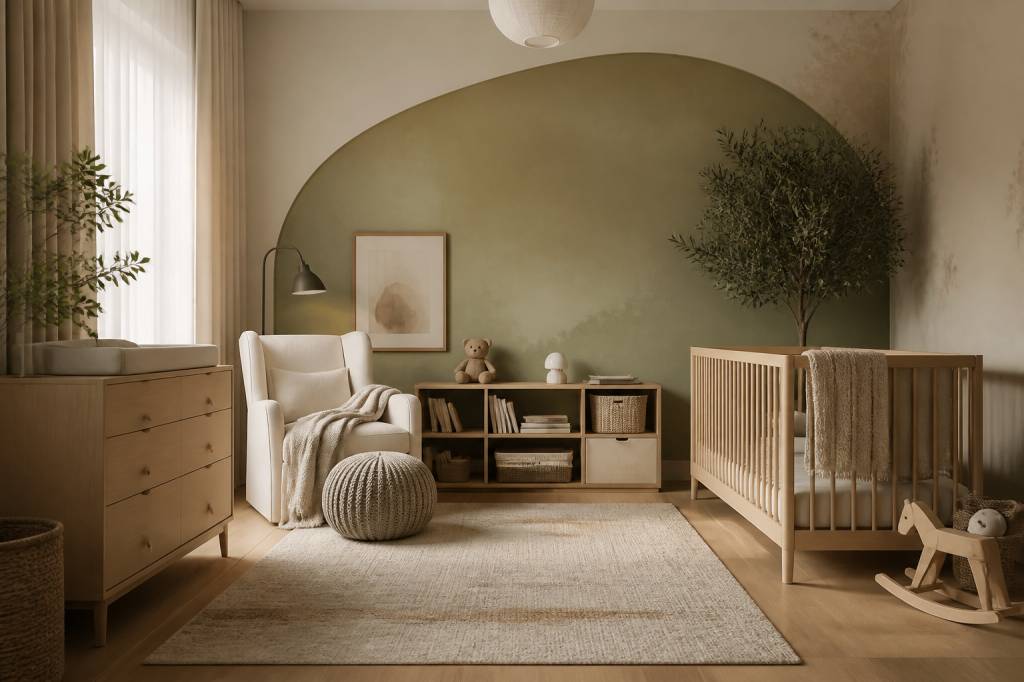
Designing a Calm and Stylish Nursery for Long-Term Use
Creating a nursery is one of the most exciting parts of preparing for a baby. It is also one of the easiest rooms to overdesign. Many parents focus on the immediate look of the space and forget how quickly a nursery needs to adapt. A calm and stylish nursery should feel soothing from day one, but it should also be practical enough to grow with your baby through toddlerhood and beyond.
The best nursery design combines comfort, safety, and timeless style. Soft colors, smart storage, and flexible furniture choices can help you create a room that feels peaceful without becoming overly themed or difficult to update. If you want a baby nursery that stays functional for years, the key is to think beyond the newborn stage while still making the room warm and inviting right now.
Choose a Nursery Color Palette That Feels Calm and Timeless
Color plays a major role in how a room feels. In a nursery, gentle shades often work best because they create a soothing atmosphere for both babies and caregivers. Neutral nursery colors, soft greens, warm whites, muted beige, pale blue, dusty pink, and soft gray are all popular choices because they are easy to live with and simple to refresh later.
Instead of using very bright tones across the whole room, consider adding small bursts of color through artwork, textiles, and accessories. This gives you more flexibility as your child grows. A calm nursery color palette also makes it easier to update the room into a toddler bedroom without needing a full redesign.
- Use soft neutrals for walls and large furniture pieces.
- Add subtle color through cushions, rugs, and blankets.
- Choose one or two accent shades for visual interest.
- Avoid overly busy patterns that may feel overwhelming over time.
Invest in Convertible Nursery Furniture and Baby Room Essentials
When planning a nursery that grows with your baby, furniture choice matters. A convertible crib is one of the most practical investments you can make because it can transition from a crib to a toddler bed, and sometimes even into a daybed. This helps reduce the need for major replacements later and supports a more sustainable nursery setup.
Look for nursery furniture with clean lines and durable materials. A changing table that doubles as a dresser, for example, can stay useful long after diaper changes are no longer part of your routine. This type of versatile baby furniture is especially helpful in smaller spaces, where every piece needs to earn its place.
- Convertible crib for long-term use.
- Changing dresser with deep drawers.
- Comfortable nursery chair for feeding and reading.
- Storage bench or basket system for toys and linens.
- Low bookshelf that can later hold books and toys for a toddler.
Create a Functional Nursery Layout With Room to Grow
A thoughtful nursery layout can make daily routines much easier. Try to position the crib away from direct sunlight, heating vents, or drafty windows. Place the changing area close to diaper and clothing storage so you can move efficiently during late-night changes. If space allows, keep a feeding chair nearby with a side table for water, burp cloths, and books.
It is also wise to leave some open floor space. Babies grow into active toddlers very quickly, and having a clear area for crawling, playing, and moving around will make the room far more useful over time. A nursery that feels airy and organized often looks calmer too. That is especially important when the room has to serve multiple functions in one relatively small space.
If you are planning a shared nursery or a compact baby room, choose furniture scaled to the size of the room. Oversized items can make the space feel crowded, while lighter pieces and wall-mounted storage can help the room feel open and practical.
Use Nursery Storage Solutions That Keep the Room Organized
Storage is one of the most important parts of nursery organization. Babies come with a surprising number of items, from diapers and wipes to swaddles, muslins, socks, toys, books, and extra bedding. Without a clear storage plan, the room can quickly feel cluttered, no matter how beautifully it is decorated.
Good nursery storage does not have to be complicated. It should simply be easy to access and easy to maintain. Open baskets, drawer dividers, and labeled bins can make a big difference in a busy family home. As your child grows, the same storage can be reused for board books, art supplies, stuffed animals, and dress-up clothes.
- Use baskets for blankets, soft toys, and laundry.
- Install shelves for books and decorative objects.
- Use drawer organizers for small clothing items.
- Keep essential baby care items within arm’s reach.
- Choose closed storage for items you do not want on display.
Storage should support the way you live, not create more work. The easier it is to put things away, the more likely the room is to stay peaceful and functional.
Layer Soft Textures for a Cozy and Comforting Nursery
A calm nursery is not just about how the room looks. It is also about how it feels. Soft textures help make the room more comforting, especially during feeding sessions, bedtime routines, and early morning wake-ups. A plush rug, breathable curtains, a cushioned nursing chair, and cozy bedding can all add warmth without making the room visually busy.
Texture is also a smart way to add depth to a neutral nursery. Instead of relying on strong color contrast, use natural materials such as cotton, linen, wool, wood, and woven fibers. These finishes create visual interest while maintaining a relaxed, timeless feel. They also work well in modern nursery decor and can transition easily into a toddler room.
When selecting textiles, choose washable and baby-friendly materials whenever possible. Practicality matters. A stylish nursery should still be easy to clean and comfortable for everyday use.
Choose Nursery Decor That Can Transition Beyond the Baby Stage
It is tempting to choose a highly themed nursery, especially before the baby arrives. Soft animals, rainbows, stars, and storybook motifs can be charming, but very specific decor often ages quickly. If you want a room that grows with your child, choose decorative items that can stay in place for years.
Framed prints, simple wall art, classic mobiles, and natural wood accents tend to have more staying power than trend-driven pieces. You can still make the room personal and playful. The difference is that the overall design should feel balanced and adaptable. That way, the space can evolve from nursery to toddler bedroom with minimal effort.
- Choose wall art with soft colors and simple shapes.
- Use removable wall decals if you want flexibility.
- Select a rug that suits both baby and toddler play.
- Pick curtains and bedding in timeless fabrics.
- Mix decorative objects with functional nursery accessories.
Plan Lighting That Supports Sleep and Daily Routines
Lighting is often overlooked in nursery design, but it has a major impact on comfort and sleep. A calm nursery should include a mix of soft ambient light, task lighting, and blackout solutions where needed. Bright overhead lights can feel harsh during night feeds, so a lamp with a warm bulb is usually a better choice near the chair or changing station.
During the daytime, natural light can help keep the room feeling fresh and uplifting. At night, dimmable lighting or a soft night light can make the room easier to use without fully waking the baby. Blackout curtains or lined drapes are also helpful for supporting naps and early bedtimes, especially in bright bedrooms.
The goal is not just style. It is sleep-friendly nursery lighting that makes everyday care more manageable.
Make Smart Choices for a Gender Neutral Nursery
A gender neutral nursery is often a good option for parents who want flexibility, long-term style, or a room that can be reused in the future. Rather than leaning on traditional pink or blue schemes, gender neutral design often uses layered neutrals, muted earth tones, and natural textures. This approach can look elegant, modern, and welcoming.
Gender neutral nursery decor also allows more room for personality. You can add interest with a woven wall hanging, a patterned rug, simple animal art, or books displayed on open shelves. The space remains soft and calm, but it does not feel generic. This balance is one of the reasons neutral nursery ideas remain so popular with new parents.
Keep the Nursery Flexible as Your Baby Becomes a Toddler
The most successful nurseries are designed with change in mind. Your baby will eventually need different furniture, different storage, and different routines. A room that supports those changes without requiring a complete makeover is a smart and cost-effective choice.
As your child grows, you can replace the crib with a toddler bed, lower toy storage to child height, and add a small reading corner or play mat. Many nursery essentials can also be reused in new ways. A dresser remains useful. Baskets still hold toys. Bookshelves still store stories. That kind of adaptability makes the room feel current for longer.
If you are shopping for nursery products, focus on pieces that combine function, quality, and lasting design. The most valuable purchases are often the ones that continue to serve your family after the baby stage is over.
Final Details That Make a Calm Nursery Feel Complete
Once the main furniture and storage are in place, small details can bring the room together. A framed family photo, a handmade blanket, a soft toy on a shelf, or a simple name print can make the nursery feel personal without overwhelming the design. These details are often what make the room feel warm and lived in.
Keep in mind that a calm and stylish nursery does not need to be perfect. It needs to work for your family. The best baby room design is one that supports rest, routine, and comfort while still feeling beautiful. When you choose flexible furniture, soothing colors, and practical storage, you create a space that can grow naturally alongside your child.
That is what makes a nursery truly successful. It feels peaceful now, and it still makes sense later.