
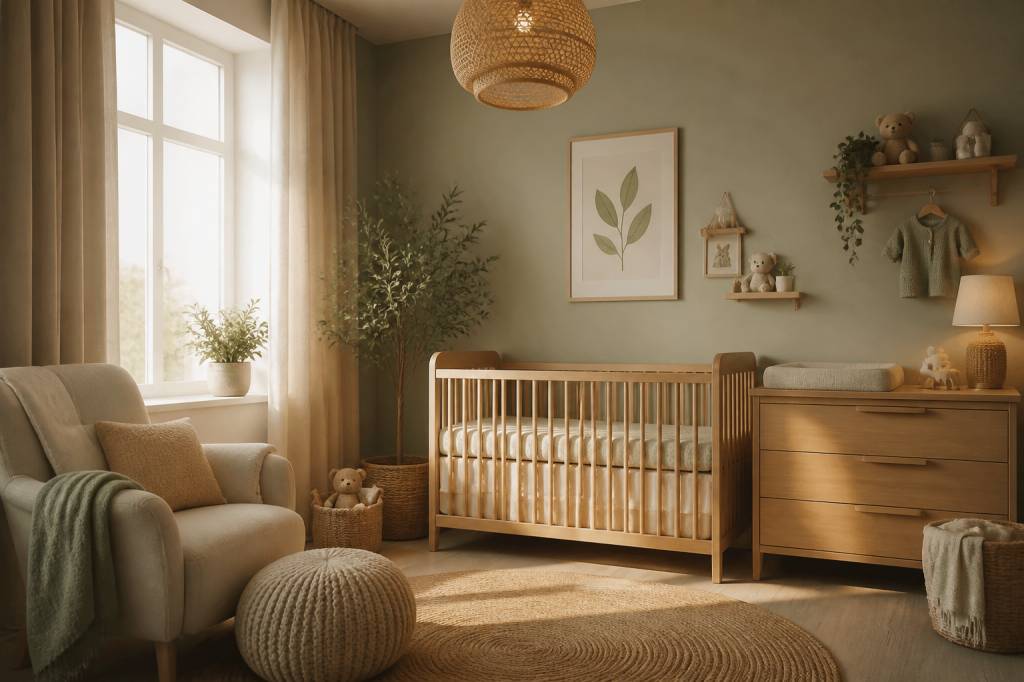
There is a particular kind of quiet that settles into a nursery once the walls feel right. Not perfect, not showroom-polished, but warm, comforting, and gently alive. I remember standing in my own baby room with a half-open paint can in one hand and a roll of wallpaper in the other, wondering if I was making the “right” choice for a tiny person who would not, at least initially, care one bit. And yet, somehow, the walls mattered. They shaped the room’s mood before the crib was even assembled.
That is the quiet magic of wallpaper in a little nursery. It can soften a space, make it feel intentional, and bring in personality without adding clutter. For parents trying to create a cozy and stylish baby room, wallpaper is often the detail that transforms “a room with furniture” into “a little world.”
If you are exploring wallpaper little nursery ideas, the good news is that you do not need a grand room or a design degree. You just need a sense of what feels calm, what feels cheerful, and what will still feel lovely during those blurry 3 a.m. diaper changes.
Why wallpaper works so beautifully in a nursery
Wallpaper has a way of doing a lot with very little. A soft botanical print can make a nursery feel like a protected little garden. Tiny stars can create a dreamy atmosphere without overwhelming the room. Subtle stripes can add structure and height, especially in compact spaces where every visual trick helps.
Unlike bold furniture or oversized decor, wallpaper creates impact from the background. That is especially useful in a nursery, where the room already has many visual focal points: the crib, the rocker, storage baskets, books, toys, and probably one very determined baby monitor.
It also helps define a mood. Do you want the room to feel peaceful and airy? Warm and storybook-like? Playful, but not chaotic? Wallpaper can carry that intention through the whole room. It becomes the quiet thread that ties everything together.
Choosing the right pattern for a small nursery
When working with a little room, the pattern matters just as much as the color. Large prints can be beautiful, but in a small nursery they need a careful hand. If the space is tight, a giant floral or oversized animal motif can overwhelm the room unless used very intentionally.
Smaller-scale patterns tend to feel gentler in compact nurseries. Think tiny leaves, petite dots, delicate clouds, fine checks, or miniature woodland scenes. These prints create texture and charm without shouting for attention.
That said, small does not have to mean timid. A mural-style wallpaper on one wall can be stunning in a nursery, especially if the rest of the room is kept simple. A soft forest, a moonlit sky, or a painted meadow can give the room a sense of wonder. The key is balance: let the wallpaper tell the story, then allow the furniture and textiles to breathe.
If you are unsure, ask yourself a practical question: will this pattern still feel soothing after a long day with a crying baby and a laundry basket that somehow multiplies on its own? If the answer is yes, you are probably on the right track.
Gentle colors that create a cozy feeling
Color shapes a nursery more than many people realize. Soft neutrals are popular for a reason: they make a room feel restful, and they adapt easily as the child grows. Warm whites, cream, pale beige, misty gray, and muted taupe all create a calm base.
But cozy does not have to mean neutral-only. Gentle color can be deeply soothing when it is softened enough. Sage green brings a natural, grounded feeling. Powder blue adds freshness. Blush gives warmth without becoming too sweet. Dusty mustard, if used sparingly, can create a subtle glow that feels welcoming rather than bright.
If the room is small, lighter tones usually help it feel more open. Still, a slightly deeper wallpaper can work beautifully if there is enough natural light or if the furniture is kept airy. A moody navy wallpaper with tiny constellations, for example, can feel intimate and sleep-friendly in a room that gets strong daylight elsewhere.
The safest approach is often to think in layers: one main wallpaper tone, one or two supporting colors in textiles, and a neutral base for larger furniture pieces. This keeps the nursery cohesive without becoming too matchy-matchy, which, let us be honest, rarely survives contact with real family life.
Accent walls versus full-room wallpaper
One of the most common decisions is whether to wallpaper one wall or the entire nursery. Both can work well, but they create very different effects.
An accent wall is ideal if you want personality without visual heaviness. It can frame the crib area, draw attention to a beautiful piece of furniture, or add charm behind the rocking chair. It is also a smart choice if you are renting, budgeting carefully, or simply testing the waters with wallpaper for the first time.
Full-room wallpaper creates a more immersive feeling. This can be especially lovely in small nurseries, where one thoughtful print can make the room feel wrapped in softness. The trick is to choose a pattern with enough breathing room. Busy wallpaper on all four walls can quickly feel restless in a tiny space.
A useful rule of thumb: if the wallpaper is strong in color or pattern, consider using it on fewer walls. If it is delicate, tonal, or airy, you may be able to use it more broadly without overwhelming the room.
Wallpaper ideas that feel timeless and tender
Some nursery styles never seem to lose their charm because they speak to a deeper kind of comfort. Here are a few wallpaper directions that work especially well in a cozy baby room:
- Soft botanical prints, such as leaves, vines, or wildflowers, for a fresh and peaceful atmosphere.
- Whimsical animal motifs, especially in muted tones, for a playful room that still feels calm.
- Cloud, moon, and star patterns for a dreamy bedtime mood.
- Thin stripes or understated checks for a classic look that grows well with the child.
- Illustrated storybook scenes for parents who want the nursery to feel imaginative and gentle.
- Minimal geometric prints for a more modern nursery that still feels soft enough for a baby.
What makes these styles lasting is not only the subject matter, but the restraint in the design. A nursery does not need to be loud to be delightful. Often, the most charming rooms are the ones that feel as if they were assembled with care, not urgency.
How to pair wallpaper with nursery furniture
Wallpaper and furniture should support each other, not compete. If your wallpaper is busy or richly detailed, keep the crib and dresser simple. Light wood, painted white furniture, or soft natural finishes often work beautifully because they let the walls shine without creating clutter.
If your furniture is more distinctive, such as a darker wood crib or a bold changing table, choose wallpaper that acts as a gentle backdrop. A subtle textured print or muted solid-tone pattern can help those pieces stand out while keeping the room tranquil.
For a cozy look, fabric and texture matter just as much as color. A wallpaper with a linen-like effect pairs well with a woven rug, a soft rocking chair, and simple cotton curtains. The room will feel layered and lived-in, which is often more comforting than anything too polished.
And because nurseries are practical spaces first, think about placement. If the crib is centered on one wall, wallpaper behind it can create a lovely focal point. If storage is your biggest challenge, a patterned backdrop can make baskets and shelves feel deliberately styled, even when they are mostly hiding baby supplies.
Making a small nursery feel larger with wallpaper
Small nurseries can be especially charming when the wallpaper is chosen with care. Certain patterns create the impression of more space by guiding the eye upward or outward.
Vertical stripes can make ceilings feel higher. Repeating small motifs can give the room rhythm without crowding it. Light, airy prints with plenty of negative space help the walls feel less enclosed. Even a mural can expand a room visually if it suggests a landscape, sky, or open horizon.
Mirrors are not always the first thing parents think about in a nursery, but they can help reflect light and balance patterned walls. A small mirror in a safe location, paired with soft wallpaper, can keep the room from feeling boxed in.
Another useful trick is to wallpaper only the upper part of the wall and paint the lower half in a coordinating color. This creates dimension and can make the nursery feel taller, while also giving the room a classic, tailored look.
Practical things to consider before you commit
As lovely as wallpaper is, nursery design still has to work in everyday life. A few practical choices can save you time and frustration later.
- Choose washable or wipeable wallpaper if possible, especially near changing areas or where little hands may eventually reach.
- Consider peel-and-stick options if you want flexibility or plan to update the room as your child grows.
- Check how the wallpaper looks in natural light and at night, since nurseries often need to feel soothing in both settings.
- Order samples before buying. A pattern can look completely different on your screen than it does on an actual wall.
- Think about scale carefully. A tiny room can handle pattern, but it still needs visual rest.
It is also wise to think beyond the baby stage. Will this wallpaper feel right when the nursery becomes a toddler room? If your answer is “maybe not, but I adore it now,” that is still a valid choice. Not every design decision has to last forever. Some are simply part of a tender season.
Adding warmth with texture, lighting, and soft furnishings
Wallpaper may set the tone, but the room becomes truly cozy through the layers around it. Lighting, in particular, changes everything. A soft lamp, a warm-glow night light, or a gentle ceiling fixture can make patterned walls feel more intimate and restful.
Textiles are equally important. A plush rug, linen curtains, a knit blanket, and a rocking chair with a cushion can soften even the most structured wallpaper. In a nursery, softness is not decorative fluff; it is part of the room’s emotional architecture.
If the wallpaper is playful, balancing it with calming textiles keeps the room from feeling overstimulating. If the wallpaper is minimal, you can introduce a bit more warmth through fabric and wood tones. This balance is often what makes a nursery feel both stylish and deeply livable.
Common mistakes to avoid
There is no perfect formula, but there are a few easy missteps to watch for.
- Choosing a wallpaper that is too busy for the room’s size.
- Ignoring the lighting, which can dramatically change the look of the pattern.
- Pairing a strong wallpaper with too many competing decor pieces.
- Forgetting to consider cleaning and durability.
- Picking a design you like only in theory, not one you could actually live with during naps, night feedings, and long afternoons.
The last point may sound simple, but it matters. A nursery is not a mood board. It is a room where real life happens in soft blankets, sleepy stretches, and tiny socks that vanish with suspicious frequency. The best wallpaper is one that supports that life gracefully.
Creating a nursery that feels lovingly put together
At its best, nursery wallpaper does more than decorate. It gives the room a heartbeat. It can be serene without being dull, stylish without being stiff, and childlike without becoming overly themed. That balance is what makes a baby room feel special in the first place.
Whether you are drawn to dainty florals, sky-inspired patterns, subtle stripes, or a full mural that feels like a gentle dreamscape, the right wallpaper can help shape the kind of room you will want to linger in. And in those early months, when you spend more time than expected sitting in the dark with a baby on your shoulder, that matters more than you might think.
So take your time, look at samples in the room itself, and imagine the everyday moments as much as the beautiful ones. The soft morning feedings. The tiny yawns. The lullaby on repeat. The sleepy pause before placing your baby back into the crib. A cozy nursery is not just about looking lovely in photos; it is about feeling like a small refuge for both baby and parent.
And if wallpaper helps create that feeling, then it is doing exactly what it should.